Pub.lished Movie Reviews
Freaks (1932)
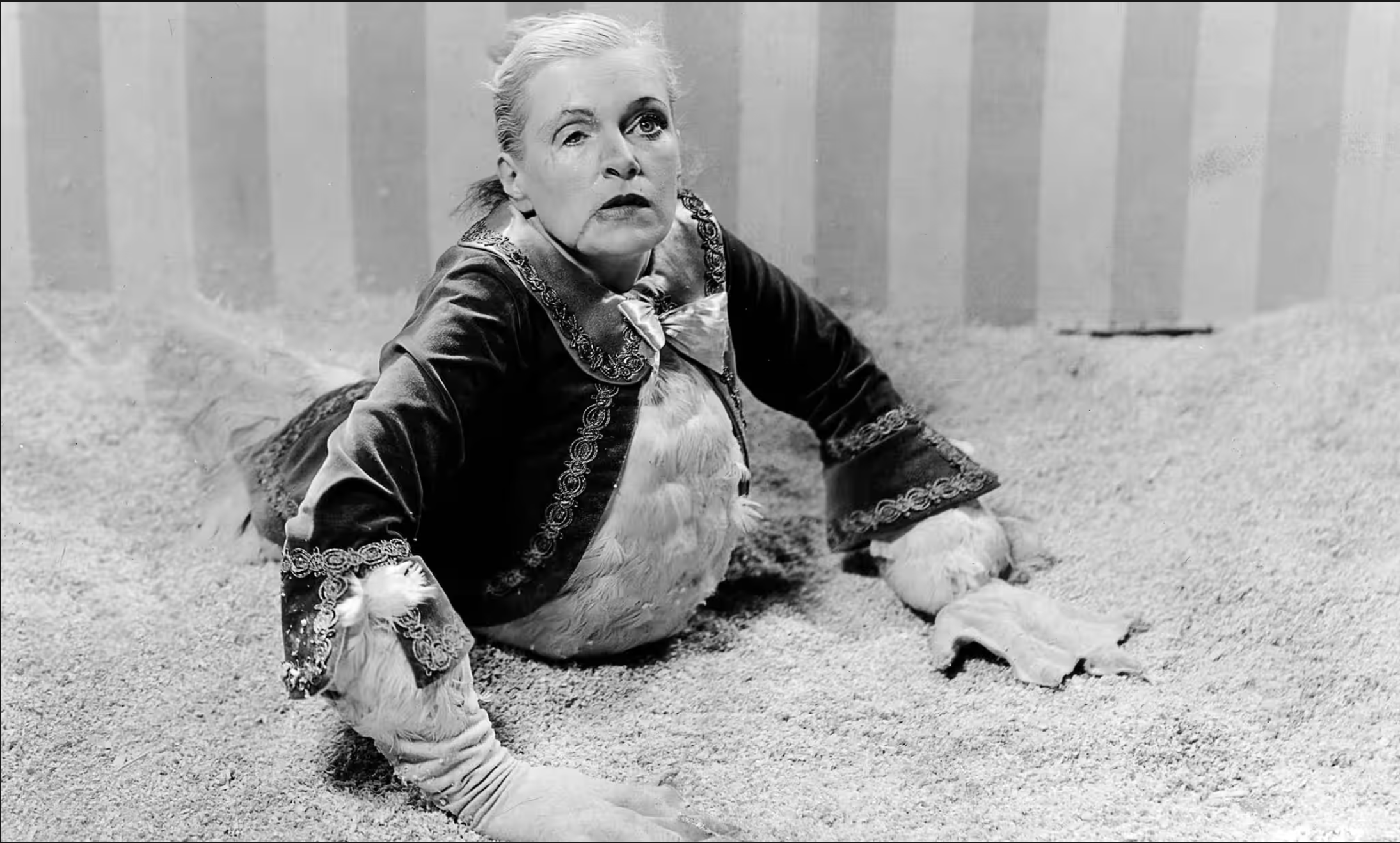
Very few movies have changed the course of history for the better, and "Freaks" is one of them. It stands out as one of the most revolutionary and ahead-of-its-time films in the history of cinema."Though this circus story, directed by Tod Browning, is superficially sympathetic to the maimed and the mindless that it features, it uses images of physical deformity for their enormous potential of horror." - Pauline Kael
We find ourselves behind the scenes of a circus. This is no ordinary circus; it is filled with the usual clowns, strong men, and beautiful trapeze artists.
The central focus of this film, however, are the so-called circus freaks: bearded ladies, little people, those without limbs, and those afflicted with what we now identify as the Zika virus. This movie is a "talkie," created just after such films gained popularity, yet still during the era of black and white. Despite this, it remains incredibly watchable today.
The film was released during the height of the Great Depression, a time when one in four people were unemployed. This was prior to Franklin D. Roosevelt's introduction of the concept of social safety nets. Thus, the movie concentrates on a marginalized minority group whose only means of survival is to offer themselves as shock entertainment. Given the era, it's remarkable that the movie was made at all, not that the marginalized group suffered.
You begin to empathize with this minority group almost immediately. Interestingly, it is the "normal" people who are labeled as the titular "Freaks" in the film.
The film also includes two "normal" characters who are good-hearted, strong, and wise, one of whom is a clown. The so-called freaks are not one-dimensional, but they aren't portrayed as nobly.
A considerable portion of the movie focuses on the freakishness of the circus freaks. It's unavoidable, but it does feel exploitative.
While provocative, the film feels sanitized. The ending is intriguing, but it fails to hit as hard as the rest of the film. The intended message of the writers and director almost feels diluted or omitted.
Before becoming a Hollywood star, the director, Tod Browning, was a clown. He performed in various sideshows and even worked for Ringling Brothers. His circus experiences greatly influenced his movies, and he achieved considerable success as a director.
In the 1930s, Irving Thalberg, MGM’s production chief, sought to work with Browning. Escapist fantasies and horrors were incredibly popular during this period. After reading the script, Thalberg said, “Well, I asked for horror. And yes, it’s just horrible...” Yet, he still approved the script.
Browning insisted on using actual circus performers, refusing to "soft-pedal" anything or use conventional actors. He traveled the country seeking out performers who were living a subsistence lifestyle. However, when he brought them onto MGM's lot, they were instantly ostracized.
F. Scott Fitzgerald, while nursing a hangover at MGM, saw two Siamese sisters and promptly vomited. Other studio members also complained. Thalberg arranged a compromise: the more "normal" looking cast members were allowed to eat in the commissary, while the rest were relegated to a tent outside, which served as their cafeteria.
The initial audience reaction was extreme. One woman fled from the theater screaming during the movie, while another threatened to sue, claiming the horrific film had caused her miscarriage.
Without Browning's input, Thalberg removed a third of the movie, cutting scenes deemed too gory and others that humanized the "freaks" through small character moments. Thalberg even completely revised the beginning and ending.
"Freaks" was ultimately a box office failure. The edited version was pulled from US theaters and banned in the UK. The film essentially ended Browning's career.
Despite its failure in 1930, "Freaks" was rediscovered and praised at the 1962 Cannes Film Festival. Browning, an isolated alcoholic, died in 1962, before the critical reassessments began.
The good-hearted clown in the movie, the one who genuinely cared for the circus freaks, is believed to represent Tod Browning himself.
The original ending that Browning intended, which audiences in 1930 could not stomach, is now lost forever.
Films from the 1930s are naturally at a disadvantage. It's been almost a hundred years; technology, art, and tastes have evolved.
A true classic stands the test of time and still resonates with audiences today. This film certainly meets that criteria.
- You are easily scared or grossed out by horror and thriller elements.
- You're not comfortable with scenes of violence or cruelty.
- You are not a fan of older, black and white cinema.
- You're under the age of 15. The movie has some disturbing themes and scenes that might not be suitable for younger viewers.
Metropolis (1927)
Those who love "Freaks" (1932) will also love "Metropolis" (1927) as both films share a deep exploration of societal divisions and the concept of 'otherness'. Like "Freaks," which challenges perceptions of circus 'freaks', "Metropolis" presents a stark divide between the opulent upper class and the oppressed workers, thus critiquing class disparities. Furthermore, both films are iconic and influential works in the history of cinema, showcasing innovative storytelling techniques and visual aesthetics of their time. The shared themes of societal prejudice and exploitation, along with their pioneering cinematic styles, make "Metropolis" a must-watch for fans of "Freaks".
Harold and Maude (1971)"Freaks" (1932) and "Harald and Maude" (1971) carry unconventional narratives that challenge societal norms, exploring themes of love, acceptance, and the beauty of diversity. They each provide an intimate portrayal of characters who exist on the fringes of society, emphasizing their humanity, and creating rich, complex individuals who invite empathy and understanding from the audience. The films' shared celebration of individuality, nonconformity, and uniqueness, combined with their similar dark humor and poignant social commentary, makes them both appealing to viewers who appreciate cinema that pushes boundaries and sparks thought.
2001: A Space Odyssey (1968)Both "Freaks" (1932) and "2001: A Space Odyssey" (1968) are pioneering films in their respective genres, both challenging the norms of storytelling and cinematography of their times. Just as "Freaks" presented a portrayal of physically deformed circus performers with a level of empathy and humanity that was unheard of, "2001: A Space Odyssey" revolutionized the science fiction genre with its enigmatic narrative structure and groundbreaking special effects. These films, despite their distinct genres and themes, share a common appreciation for the unconventional, making them appealing to those who appreciate cinema that pushes the boundaries of its time.
Citizen Kane (1941)"Freaks" (1932) and "Citizen Kane" (1941) are classic films that offer deep, thought-provoking narratives and innovative filmmaking techniques. They explore human nature, ambition, and societal norms in unique ways, pushing the boundaries of their respective genres. Freaks’ exploration of the lives of circus performers and Citizen Kane’s portrayal of a media tycoon both challenge audiences to think critically about perceptions of success and humanity. Their complex characters, rich storytelling, and distinctive aesthetics will appeal to film buffs who appreciate cinema that doesn't shy away from unconventional narratives and technical mastery.
Psycho (1960)Devotees of the 1932 cult classic "Freaks" will also appreciate Alfred Hitchcock's "Psycho" due to both films' groundbreaking approach to the horror genre. Both movies challenge conventional narratives by offering complex, morally ambiguous characters, thereby pushing the boundaries of viewer empathy and creating discomfort through psychological manipulation rather than relying on graphic violence or supernatural elements. Just as "Freaks" explores societal norms and the concept of the 'other,' "Psycho" delves into the twisted recesses of the human mind, making both films compelling and provocative experience for horror enthusiasts.
The Exorcist (1973)Admirers of "Freaks" (1932) will also appreciate "The Exorcist" (1973) due to their shared exploration of the grotesque, the macabre, and the horrifying aspects of humanity. Both films challenge societal norms and manipulate grotesque imagery to evoke fear, disgust, and empathy. They also delve into the psychological turmoil of their characters, creating an atmosphere of dread and suspense. While "Freaks" does this through exploring the world of physically deformed circus performers, "The Exorcist" uses the narrative of demonic possession. This shared focus on the darker elements of human experience makes both films compelling watches for those who appreciate horror that's grounded in character and psychological depth.
Taxi Driver (1976)"Freaks" (1932) and "Taxi Driver" (1976) offer a captivating exploration of societal outcasts and the human condition, drawn with a distinctively dark and gritty realism. These films delve into the psyches of their characters, providing an unflinching look at their internal struggles and the harsh realities they confront. The unsettling atmospheres, poignant character studies, and masterful storytelling found in both films appeal to those who appreciate thought-provoking, emotionally intense cinema.
The Elephant Man (1980)"Freaks" (1932) and "The Elephant Man" (1980) are films that explore the themes of otherness, societal rejection, and the struggle for acceptance. They humanize those who are physically different or deformed, and challenge viewers to question societal norms and prejudices. "Freaks" uses real-life circus performers to deliver its message, while "The Elephant Man" is a biographical film about Joseph Merrick, a man with severe deformities. Both films are poignant, unsettling, and ultimately deeply humanizing, likely appealing to viewers who have an appreciation for cinema that explores themes of humanity and acceptance.
Raising Arizona (1987)"Freaks" (1932) and "Raising Arizona" (1987) challenge conventional narratives with their unique blend of dark humor, offbeat characters, and unconventional storytelling. "Freaks" stands out for its empathetic portrayal of marginalized individuals, while "Raising Arizona" subverts traditional family dynamics in a humorous light. Buffs of one will likely appreciate the other for their shared commitment to subverting norms and expectations, presenting the unusual as endearing, and eliciting empathy and laughter in equal measure.
The Elephant Man (1980):You may appreciate this movie if you loved "Freaks" due to its similar focus on individuals on the outskirts of society. Directed by David Lynch, this touching and melancholic cinematic experience gives you a gripping insight into the life of Joseph Merrick, a severely deformed man in late 19th century London. The film is beautifully shot, highlighting the grotesque and the elegant side by side, much like in "Freaks".
Pan's Labyrinth (2006):This movie intertwines the real and the fantastic flawlessly, very much like "Freaks". Directed by Guillermo del Toro, it tells the story of a young girl in post-Civil War Spain, who escapes the harsh realities of her life by retreating into a mythological labyrinth filled with magical creatures. "Pan's Labyrinth" emphasizes the power of imagination, and though a fantasy film, it carries the similar notion of outsiders trying to fit in.
The Shape of Water (2017):Also by Guillermo del Toro, "The Shape of Water" is a beautiful and unusual love story between a mute cleaner and an amphibian humanoid held in a high-security lab during the cold war. Like "Freaks," it also revolves around those who society tags as 'different'. This film's exploration of what it means to be 'human' could surely resonate with you.
The Hunchback of Notre Dame (1939):The classic film adaptation of Victor Hugo's novel is a wonderful alternative. It centers on Quasimodo, a deformed bell-ringer of Notre Dame, and his unconditional love for a gypsy girl, Esmeralda. Like "Freaks," it examines the theme of acceptance of the physically and socially outcast.
Edward Scissorhands (1990):If you appreciate seeing traditional 'freaks' in a modern setting, Tim Burton's "Edward Scissorhands" could be an excellent choice. Starring Johnny Depp as Edward, an artificial man with scissor hands, the film depicts his struggle to adjust to a suburban environment. This dark romantic fantasy mirrors the themes of alienation and acceptance found in "Freaks".
Like this? Then click here to see more drama movies