Pub.lished Movie Reviews
Fear and Loathing in Las Vegas (1998)
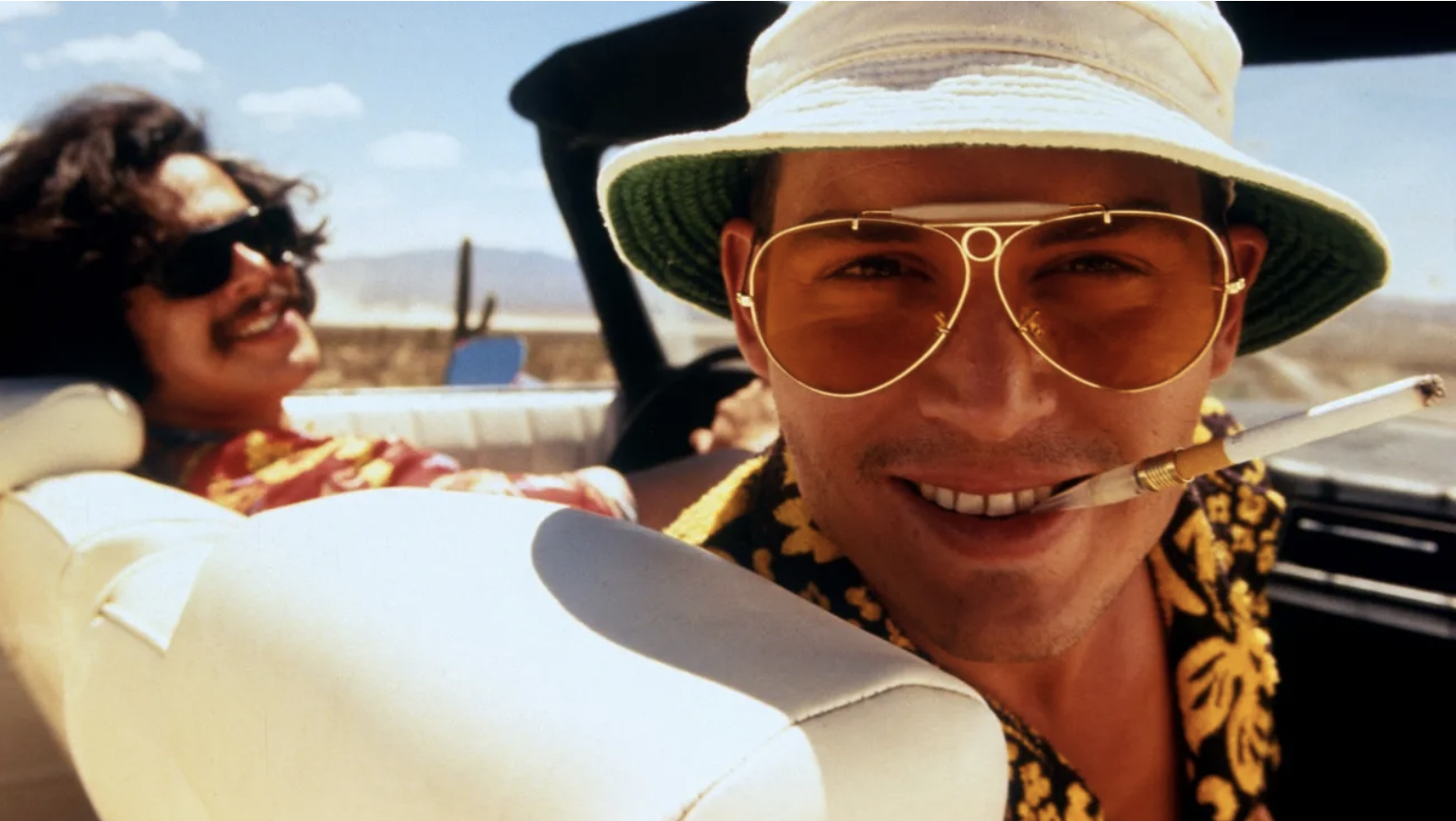
"Fear and Loathing in Las Vegas" (1998) is a cinematic whirlwind, following the psychedelic escapades of an oddball journalist and his psychopathic lawyer in the heart of Las Vegas. The film offers an immersive experience that mirrors the disorienting effects of drug overuse.
Initially, the wacky chaos is amusing, but as the film progresses, the intensity escalates to a point where it becomes overwhelming, leaving the audience yearning for the end.
Beyond its wild storyline, the film provides a fascinating exploration of America's evolution post the hippie movement and its subsequent distortion. A quote from Raoul Duke, the protagonist, encapsulates this beautifully, "And that, I think, was the handle - that sense of inevitable victory over the forces of old and evil. Not in any mean or military sense; we didn't need that. Our energy would simply prevail. We had all the momentum; we were riding the crest of a high and beautiful wave. So now, less than five years later, you can go up on a steep hill in Las Vegas and look west, and with the right kind of eyes you can almost see the high-water mark - that place where the wave finally broke and rolled back."
The context of Duke's quote is directed towards Nixon, yet it's intriguing how QAnon followers find inspiration in Thompson's writing today.
One of the unique aspects of "Fear and Loathing in Las Vegas" is its introduction of the concept of getting high on Adrenochrome. Recall the scene where characters exclaim, “You took too much, you took too much!” That's the Adrenochrome.
Adrenochrome is the infamous drug that the QAnon and Trump cult members believe is extracted from the brains of babies by the elites before they are sexually abused and murdered. The cult's entire belief system revolves around this notion.
However, there's a significant issue with this belief. The reality of Adrenochrome as a recreational drug is fictional. Hunter S Thompson fabricated it for his book. Adrenochrome is indeed a real chemical compound produced by oxidizing adrenaline. But it's also synthetically producible, negating the need for any murderous acts. Furthermore, it doesn't induce a high; conversely, it triggered psychotic reactions when tested as a treatment for Schizophrenia in the 1950s. So, Thompson's inclusion of it was likely a satirical jab.
The fact that the QAnon and Trump cult fervently believe in a drug-induced high that Thompson invented as a joke 51 years ago would probably have him laughing his ass off.
- You are under the age of 18
- You are sensitive to explicit drug use and abuse
- Graphic and vulgar language bothers you
- You are uncomfortable with sequences of bizarre and surreal imagery
- You prefer movies with a clear storyline and plot
Pulp Fiction (1994)
Those who love "Fear and Loathing in Las Vegas" will also love "Pulp Fiction" because both films feature a non-linear narrative, eccentric characters, and a blend of dark humor with elements of crime and violence. Both films are renowned for their iconic dialogues, unique storytelling style, and unconventional direction by two of cinema's most influential directors, Terry Gilliam and Quentin Tarantino. They both delve into the underbelly of American society, making for an intense, immersive viewing experience filled with unpredictability and surrealism.
Fight Club (1999)"Fear and Loathing in Las Vegas" and "Fight Club" are revolutionary films that challenge societal norms and conventions, offering a journey into the raw and dark sides of human nature. The two movies heavily incorporate themes of self-destruction, hedonism, and the rejection of consumerist culture, all wrapped in a psychedelic, thought-provoking narrative. Their unique storytelling, coupled with standout performances from Johnny Depp and Brad Pitt, create a surreal and captivating viewing experience, making "Fight Club" a must-watch for those who enjoyed Fear and Loathing in Las Vegas.
American Beauty (1999)"Fear and Loathing in Las Vegas" and "American Beauty" are films that delve deep into the underbelly of the American dream, presenting a dark, satirical, and at times surreal exploration of societal norms. They share anti-establishment themes, compelling performances (Johnny Depp in Fear and Loathing and Kevin Spacey in American Beauty), and are driven by character-focused narratives that challenge viewer perspectives. Their sophisticated cinematography and unique storytelling styles make them appealing to those who appreciate edgy, thought-provoking cinema.
Memento (2000)Fanciers of "Fear and Loathing in Las Vegas" (1998) will likely enjoy "Memento" (2000) as both films challenge conventional storytelling with their unique narrative structures, representing the protagonists' altered mental states. Each film is rich in visual style and cinematic techniques, with "Fear and Loathing" delving into the psychedelic drug culture and "Memento" exploring a protagonist with anterograde amnesia. Both films also carry a noir-like undertone and provide a blend of dark humor and drama, which creates an immersive and thought-provoking viewing experience.
The Big Lebowski (1998)"Fear and Loathing in Las Vegas" and "The Big Lebowski," released in the same year, share a distinctive blend of dark humor, unconventional narratives, and unforgettable characters. Both films feature protagonists thrust into a world of surreal, absurd, and often drug-fueled misadventures, masterfully portrayed by Johnny Depp and Jeff Bridges respectively. They also share a similar tone and sense of chaos, with a rich tapestry of strange yet fascinating characters and eccentric dialogues. If you appreciate the wild, outrageous, and satirical style of "Fear and Loathing in Las Vegas," you're likely to enjoy the equally quirky and offbeat universe of The Big Lebowski.
Donnie Darko (2001)Lovers of "Fear and Loathing in Las Vegas" will appreciate "Donnie Darko" for its similar psychedelic and surreal elements. Both films showcase a distinct visual style that blurs the line between reality and hallucination, creating an immersive, dreamlike atmosphere. They also share themes of existential contemplation and societal critique, wrapped up in complex narratives that challenge viewers to question the nature of reality and identity. Furthermore, like Fear and Loathing, "Donnie Darko" cultivates a cult following due to its unique storytelling and unconventional approach to genre conventions.
Easy Rider (1969)Although "Fear and Loathing in Las Vegas" is a surreal and comedic representation of its time, "Easy Rider" is a more unflinchingly realistic yet equally powerful portrayal of '60s counterculture, also featuring a drug-fueled odyssey through America. This undeniable classic was directed by Dennis Hopper and stars Peter Fonda and Jack Nicholson, definitely worth watching if you're interested in explorations of American counterculture.
Kill Bill: Vol. 1 (2003)Lovers of "Fear and Loathing in Las Vegas" will appreciate "Kill Bill: Vol. 1" for its similar stylistic experimentation, unconventional narrative structure, and intense, visceral content. Both films are directed by influential auteurs, Terry Gilliam and Quentin Tarantino respectively, known for their unique cinematic styles and their ability to push boundaries in terms of visual aesthetics and storytelling. The dark humor, memorable dialogue, surreal sequences, and exploration of moral ambiguity found in both films make them appealing to viewers who enjoy cinema that challenges traditional norms and offers a distinctive, immersive experience.
Kill Bill: Vol. 2 (2004)Aficionados of "Fear and Loathing in Las Vegas" would appreciate "Kill Bill: Vol. 2" due to both films' unique blend of satire, dark humor, and oddball characterizations. Both films share a non-linear storytelling style and are helmed by directors known for their eccentric and stylistic approaches - Terry Gilliam and Quentin Tarantino. The films also revel in their respective genres, pushing boundaries and subverting expectations, making them highly enjoyable for viewers who appreciate offbeat, genre-defying cinema.
Trainspotting (1996)"Fear and Loathing in Las Vegas" and "Trainspotting" are cult-favorite films deeply rooted in the exploration of substance abuse, counterculture, and the human condition, portrayed through dark humor, vivid storytelling, and surreal, hallucinatory visuals. The two movies share a similar narrative style that blurs the line between reality and delusion, offering viewers a raw and unfiltered look at the protagonists' chaotic lives. If you appreciate the unique storytelling, intense performances, and the bold exploration of societal taboos in "Fear and Loathing in Las Vegas," you'll likely enjoy Trainspotting's similar approach.
Blow (2001):If you enjoyed "Fear and Loathing in Las Vegas," you might enjoy "Blow". Like Fear and Loathing, it's a drug-fueled journey, this time following the rise and fall of infamous drug trafficker George Jung, superbly portrayed by Johnny Depp. The lively 70s and 80s aesthetic matches Fear and Loathing's vibrant desert visuals and psychedelic hallucinations.
Requiem for a Dream (2000):"Requiem for a Dream" is a decidedly bleak but undeniably powerful depiction of addiction, similar to the themes present in "Fear and Loathing in Las Vegas". Directed by Darren Aronofsky, it's visually stunning with a propulsive narrative style that pulls you in. It's a heavy watch, but if you enjoyed the chaotic despair of Fear and Loathing, Requiem might be up your alley.
Inherent Vice (2014):Paul Thomas Anderson’s "Inherent Vice" is a hazy, 70's-era stoner detective story that shares much of its chaotic and surreal vibe with "Fear and Loathing in Las Vegas". As a bonus, Johnny Depp was originally slated for the lead role (ultimately performed by Joaquin Phoenix), so there’s a little bit of cinematic connection between the two.
A Scanner Darkly (2006):If it's the psychedelic aspect of "Fear and Loathing in Las Vegas" you enjoy, Richard Linklater's "A Scanner Darkly" is worth checking out. With its unique, rotoscoped animation and its narrative about drug culture and paranoia, it taps into similar themes and aesthetics.
Like this? Then click here to see more comedy movies