Pub.lished Movie Reviews
In the Heat of the Night (1967)
"Fast and enjoyable" - Pauline Kael
"In the Heat of the Night" is a cinematic masterpiece that should keep most modern viewers on the edge of their seat throughout the entire movie. Despite being released in 1967, it manages to maintain relevancy and freshness, thanks to the timeless exploration of social issues and the masterful storytelling by director Norman Jewison.
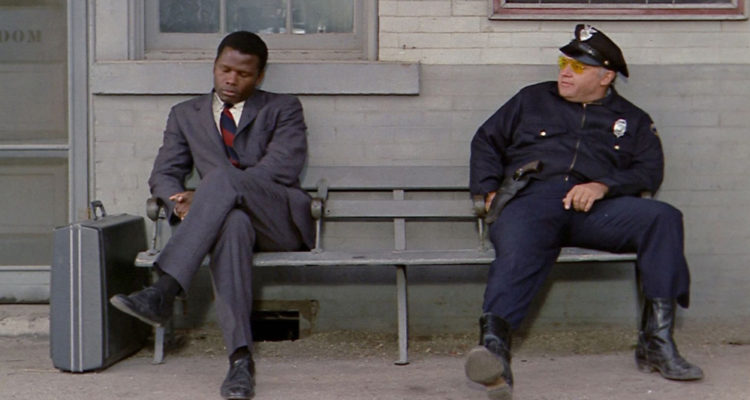
The film possesses a palpable tension that is subtly yet powerfully reignited scene after scene, leaving audiences in a perpetual state of anticipation. The characters are crafted with such depth and complexity that they feel real and relatable, the true testament to a well-made film. The performances are top-notch, with Sidney Poitier and Rod Steiger delivering stellar portrayals that resonate long after the credits roll.
Indeed, "In the Heat of the Night" is a testament to the power of cinema to not only entertain, but also enlighten and provoke thought. It's a film that transcends the constraints of its time, offering a narrative that is as relevant today as it was over fifty years ago. This is a classic that stands the test of time, embodying the best of what film can offer.
The cinematography, too, is a visual feast, contributing to the overall impact of the film. The way the camera captures the stifling heat and tension of the southern town, coupled with Quincy Jones' evocative score, creates an atmosphere that is both immersive and suffocating.
The script, penned by Stirling Silliphant, is tight, with dialogue that crackles with energy and meaning. The themes of racism and social injustice, although set in a specific era, still resonate with universal truths and insights.
"In the Heat of the Night" is a film that demands your attention and rewards you with a narrative that's compelling, thought-provoking, and deeply human. It's a film that should not be missed by any serious film lover. Whether you're a fan of classic cinema or a modern-day moviegoer, this film will undoubtedly leave you moved and reflective, testifying to its lasting impact and timeless quality.
- You are under the age of 15, as the film contains some explicit scenes and violence which may be unsuitable.
- You do not enjoy social and political commentary in your movies.
- You are sensitive to depictions of racism and social injustice.
- You prefer contemporary, action-filled, fast-paced movies.
- You don't like suspense or crime-solving elements in a film.
Warning: The following may contain spoilers:
What's the deal with "In the Heat of the Night?"I mean, here you've got Sidney Poitier, a black detective, solving crimes in the deep South during the '60s. And they treat him like he's an alien from another planet. "You're a detective? From Philadelphia?" It's like they've never seen a man in a suit before. Wouldn't you think they'd be more surprised by a guy from Philadelphia who actually likes their grits?
And then there's Rod Steiger, the local sheriff. He's so grumpy, it's like he's got a permanent case of the Mondays. He's skeptical of everything Poitier does. He finds a piece of evidence, Steiger's like, "What's this clue doing In my town?"
Citizen Kane (1941)
Lovers of "In the Heat of the Night" (1967) will also love "Citizen Kane" (1941) as both films delve into complex social issues with compelling storytelling and exceptional performances. Just as "In the Heat of the Night" explores racial tensions in a small Southern town, "Citizen Kane" scrutinizes the corrupting influence of power and wealth in American society. Both films are bolstered by atmospheric cinematography and masterful direction, with "Citizen Kane" featuring innovative techniques from director Orson Welles that would influence future generations of filmmakers, much like the groundbreaking racial commentary in "In the Heat of the Night" paved the way for future socially-conscious films. The narrative depth and cinematic prowess of both films make them essential viewing for any cinephile.
A Streetcar Named Desire (1951)Enthusiasts of "In the Heat of the Night" will also love "A Streetcar Named Desire" as they both delve into the exploration of complex social issues, predominantly racism and gender inequality. Both films are built around powerful central performances, with Sidney Poitier in the former and Marlon Brando in the latter, and feature compelling dialogue that drives the narrative. The atmospheric tension, dramatic confrontations, and the challenging of societal norms that made "In the Heat of the Night" a classic are similarly prevalent in "A Streetcar Named Desire," making it a must-watch for admirers of the former.
Rear Window (1954)"In the Heat of the Night" (1967) and "Rear Window" (1954) are classic films that offer a compelling blend of mystery, suspense, and social commentary. These films engage viewers not only with intriguing plot lines, but also with their exploration of broader societal issues, such as racial tension and voyeurism, respectively. Both films also feature masterful direction—Norman Jewison for "In the Heat of the Night" and Alfred Hitchcock for "Rear Window"—and powerful performances from their lead actors, making them a must-watch for fans of intelligent, thought-provoking cinema.
The Bridge on the River Kwai (1957)Lovers of "In the Heat of the Night" (1967) would likely enjoy "The Bridge on the River Kwai" (1957) due to both films' exploration of complex themes such as race, authority, morality, and sacrifice against a backdrop of tension and suspense. Both are characterized by outstanding performances from their lead actors—Sidney Poitier in "In the Heat of the Night" and Alec Guinness in "The Bridge on the River Kwai"—and their compelling narratives, which unfold within atmospheres charged with conflict and confrontation. The films are also similar in their dramatic portrayal of the struggle for justice and dignity under challenging circumstances.
North by Northwest (1959)Fanciers of "In the Heat of the Night" (1967) are likely to enjoy "North by Northwest" (1959) as both films expertly blend mystery, suspense, and social commentary, while showcasing stellar performances from their respective leading men, Sidney Poitier and Cary Grant. Both films navigate intricate plots involving crimes and mistaken identities, coupled with high-stakes tension and unexpected twists, keeping the viewer engaged throughout. Although the settings and specific themes differ, the strong character development, thought-provoking narratives, and exceptional direction by renowned filmmakers Norman Jewison and Alfred Hitchcock respectively, create a similar viewing experience filled with suspense, intrigue, and intellectual stimulation.
Psycho (1960)Lovers of "In the Heat of the Night" (1967) will also enjoy "Psycho" (1960) as both films share an intense atmosphere of suspense and mystery, masterfully crafted by acclaimed directors. Each movie is grounded in its exploration of human psychology and societal norms of their respective eras, with complex characters that are not easily forgotten. "Psycho" offers a thrilling narrative with its iconic plot twists and horror elements, while "In the Heat of the Night" is a provocative examination of racial tensions wrapped in a gripping murder mystery. The cinematic excellence and compelling storytelling present in both films make them appealing to any fan of classic cinema.
To Kill a Mockingbird (1962)Devotees of "In the Heat of the Night" (1967) will love "To Kill a Mockingbird" (1962) because both films brilliantly explore themes of racial tension, justice, and morality within a Southern American context. Both movies feature compelling narratives that highlight the struggle for racial equality, with characters that challenge societal norms and confront bigotry. Furthermore, they both deliver strong performances and narratives that touch on investigative procedure, legal drama, and social commentary, making them ideal for those who appreciate thought-provoking, socially conscious cinema.
The Graduate (1967)Lovers of "In the Heat of the Night" will also love "The Graduate" as both films are iconic cinematic masterpieces of 1967 that challenged the societal norms of their time. While they tackle different themes - racial tension and police procedure in the former, and post-graduation anxiety and adult hypocrisy in the latter - they share powerful performances, sharp dialogues, and stirring narratives that highlight the societal upheavals of the 1960s. Furthermore, both films feature unforgettable performances by their leads, Sidney Poitier and Dustin Hoffman respectively, and were helmed by visionary directors, Norman Jewison and Mike Nichols.
Guess Who's Coming to Dinner (1967)"In the Heat of the Night" and "Guess Who's Coming to Dinner" are critically acclaimed films from 1967 that tackle racial prejudice in America, offering viewers a thought-provoking exploration of race relations during that time. Each film features a strong leading African American actor (Sidney Poitier) who challenges societal norms and prejudices, providing a compelling narrative that is both engaging and enlightening. The powerful performances, combined with their shared themes of racial tension and societal change, make these two films a must-watch for those interested in classic cinema that addresses social issues.
Mississippi Burning (1988):This is an outstanding movie for anyone who enjoyed "In the Heat of the Night" for its exploration of racial tensions in a Southern town. Directed by Alan Parker, it follows two FBI agents conducting a murder investigation in Mississippi, confronting harsh realities of prejudice and hatred along the way. The film's screenplay, performances, and atmospheric direction have been highly appreciated over the years.
To Kill a Mockingbird (1962):While not a detective movie like "In the Heat of the Night,”, this film does deal with racism and injustice in a Southern town. Based on Harper Lee's acclaimed novel, it follows Lawyer Atticus Finch as he defends an unjustly accused Black man. The film is highly revered for its poignant narrative, moral integrity, and superb performances, especially Gregory Peck's as Atticus Finch.
L.A. Confidential (1997):This neo-noir crime film shares thematic elements with "In the Heat of the Night" in terms of police investigation and corruption. Set in 1950s Los Angeles, it weaves a complex narrative involving three policemen with distinct personalities. Its strong screenplay, nuanced performances, and stylish production design make it a must-watch for fans of investigative dramas.
The French Connection (1971):A classic detective film that, like "In the Heat of the Night," won the Best Picture Oscar, it focuses on two New York City cops trying to intercept a massive heroin shipment from France. The film is known for its gritty realism, intense performances, particularly by Gene Hackman, and one of the most thrilling car chase sequences in cinema history.
Chinatown (1974):Directed by Roman Polanski, this neo-noir mystery shares similar elements with "In the Heat of the Night" in its investigative narrative and vibrant character portraits. It revolves around a private detective, played by Jack Nicholson, who gets embroiled in a complex case involving the city’s water supply. The film is renowned for its impeccable storytelling, performances, and evocative representation of 1930s Los Angeles.
Like this? Then click here to see more crime movies