Pub.lished Movie Reviews
Harakiri (1962)
"Harakiri" (1962) is a riveting psychological thriller, flawlessly set in the backdrop of feudal Japan. The narrative centers around the tumultuous lives of masterless samurai, or ronin, who, in their aimlessness, either sought noble employment or courted trouble.
The narrative unfolds as a ronin approaches a feudal lord's palace, requesting the honor of committing seppuku. Suspicion arises within the palace that the ronin's true motive is to extort money. In response, they share the chilling tale of a previous ronin who attempted the same ruse and was forced to carry out the gruesome act of harakiri.
The movie title "Harakiri," is the less formal term for Seppuku, a word that gruesomely translates to "cutting the belly." The act of Seppuku, carried out ceremoniously, was seen as a noble way to die, allowing a samurai to take responsibility for his actions and restore his honor or protest against injustice.
The feudal lord's harsh decision to uphold the integrity of his palace by forcing the earlier ronin to commit seppuku was intended to deter other ronins from attempting to extort him. However, this plan backfires dramatically when the second ronin reveals a haunting connection to the past that challenges the clan's integrity.
"Harakiri" is a poignant commentary on the concept of bushido, the honor system that supposedly guided all Samurai. Bushido, loosely translating to "the way of the warrior," was an unwritten code that emphasized virtues such as honor, loyalty, justice, courage, compassion, respect, honesty, sincerity, and self-control.
The film also explores the rules surrounding duels among samurais. These one-on-one conflicts were often used to settle personal disputes, uphold honor, or form a part of larger battles. Duels were highly ritualized, governed by a code of honor that emphasized fairness, respect, and a strict adherence to one-on-one combat.
"Harakiri" effectively questions the rigid and often brutal expectations of the samurai code, shining a light on the dynamics of power, manipulation, and the high cost of honor. It also shows how institiutions cover up history to protect their image and keep the status quo.
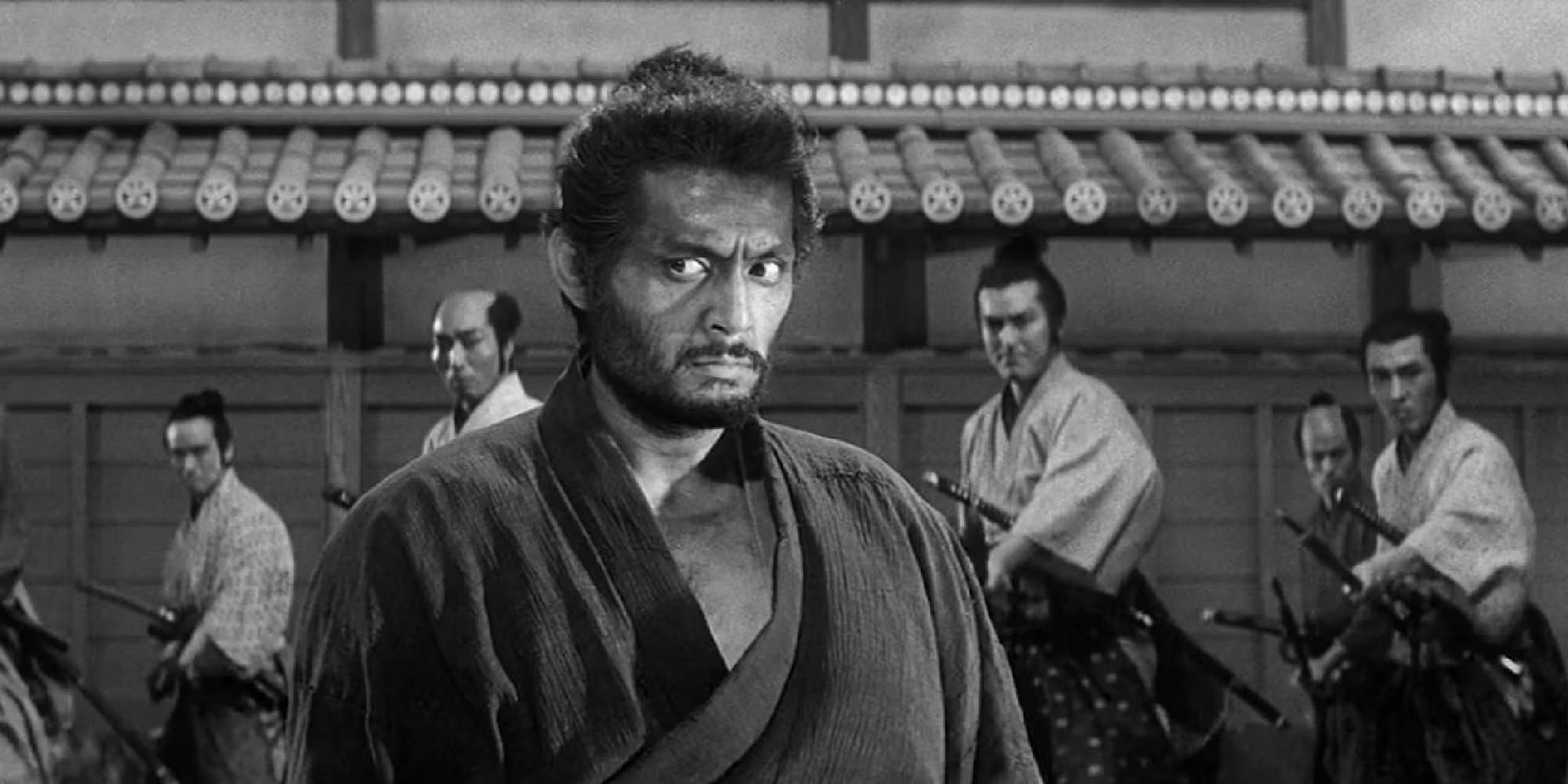
"When all is said and done, our lives are like houses built on foundations of sand. One strong wind and all is gone."
- You are uncomfortable with graphic violence and mature themes.
- You don't enjoy historical and period dramas as the movie portrays the Edo period in Japan.
- You prefer light-hearted movies or comedies, as this is a serious film with intense moments of drama.
- You have a short attention span because the film requires a bit of patience due to its slow pace.
- You are under the age of 17, according to the MPAA rating system, Harakiri is rated for viewers aged 17 and above.
Seven Samurai (1954)
One more from the master Akira Kurosawa. 'Seven Samurai' is an emotionally gripping film, upholding the samurai code through an engaging narrative. With heartfelt performances and a gripping plot about defending a village, it's a memorable journey about loyalty, courage, and sacrifice.
Yojimbo (1961)This film, also directed by legend Akira Kurosawa, bears striking stylistic similarities with "Harakiri." It features a lone samurai navigating through a town torn between two warring factions. Its compelling yet intricately woven plot has subsequently inspired various western films, making 'Yojimbo' both iconic and influential in world cinema.
Throne of Blood (1957):If you enjoyed Masaki Kobayashi's direction in "Harakiri," you might love this take on Shakespeare's 'Macbeth,' cleverly remodeled to fit the Japanese samurai historical drama genre. Directed by Akira Kurosawa, this film offers captivating performances and a strong narrative dense with betrayal and ambition.
Rashomon (1950):Another brilliant film by Akira Kurosawa, 'Rashomon' presents a complex narrative technique that reveals various perspectives of one event. If you appreciate the deep, contemplative themes in "Harakiri," you might find the philosophical implications of 'Rashomon' extremely engaging.
Sword of Doom (1966):If you're intrigued by the Samurai genre's darker themes and moral ambiguity apparent in 'Harakiri,' you'll probably enjoy 'Sword of Doom.' This cult classic centers around a morally corrupt samurai, providing a bleak yet gripping narrative that complements your love for 'Harakiri.'
Like this? Then click here to see more thriller movies